
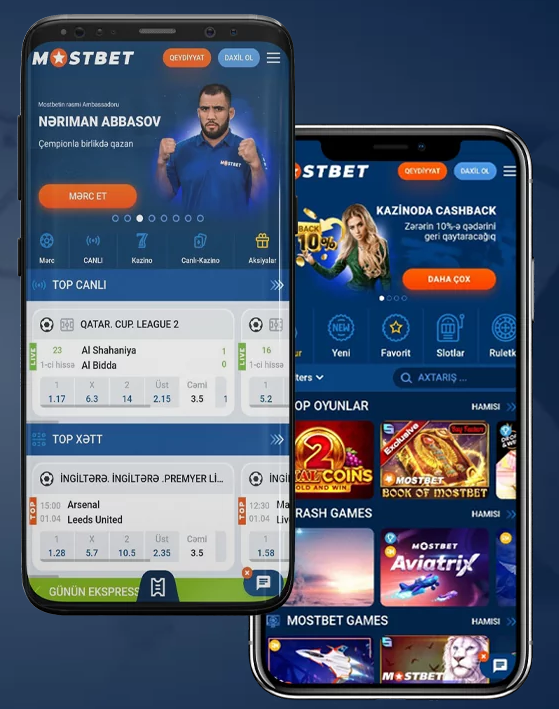
In today’s information age, it is essential to be able to discern reliable sources from unreliable ones. Whether it’s news articles, blog posts, or social media content, the ability to identify trustworthy information can significantly impact our understanding of the world. One such platform that aims to provide reliable insights is How to Spot a Reliable Online Casino in Bangladesh Mostbet, but knowing how to evaluate its reliability is equally important. Here are some strategies to help you spot reliable sources.
Understanding the Importance of Reliable Sources
Reliable sources are critical because they offer accurate information that can guide decision-making, influence opinions, and shape understanding. Misinformation can spread rapidly, leading to confusion and a lack of trust in legitimate sources. When we refer to reliable sources, we often think of scholarly articles, reputable news organizations, and expert opinions.
1. Evaluate the Author’s Credentials
One of the first steps in assessing the reliability of a source is to investigate the author’s qualifications. Look for information about the author’s background, education, and experience in the relevant field. Authors with a strong academic or professional history are generally more credible. Check if they have written other articles or have been cited by other reliable sources.
2. Check the Publication Source
The platform where the information is published plays a crucial role in determining its reliability. Established organizations and publishers often have rigorous editorial standards and fact-checking processes. Consider the site’s reputation—if it’s a well-known outlet that adheres to journalistic integrity, it is more likely to provide accurate information.
3. Look for Citations and References
Reliable articles and reports often include citations or links to primary sources, studies, or established data. These references allow readers to trace the information back to its original source, which enhances credibility. If the information is presented without supporting evidence, it may be a sign to approach it with skepticism.
4. Assess the Date of Publication

The relevance of information can diminish over time, especially in fast-evolving fields such as technology, science, and health. Ensure that the source is current and that the information reflects recent developments. If you encounter outdated studies or statistics, they may not be applicable to today’s context.
5. Analyze the Tone and Language
Reliable sources typically employ objective language and a balanced tone. If the writing is overly sensational, uses extreme language, or contains a lot of emotional appeals, it may warrant further scrutiny. Reliable information aims to inform rather than provoke. Look for sources that provide a balanced analysis of the topic.
6. Cross-Check with Other Sources
One of the best ways to verify the reliability of a piece of information is to cross-check it with other reputable sources. If multiple credible outlets report the same information, it enhances the likelihood that the information is accurate. Conversely, if only one source presents the information, especially if it is less reputable, caution is advised.
7. Investigate the Funding and Sponsorship
Consider the motivations behind the information. Reliable sources are usually transparent about their funding and sponsorship. If a source has a clear bias or agenda, it may affect the objectivity of the information presented. Understanding who funds the information can help you evaluate potential biases.
8. Be Aware of Misinformation Techniques
Misinformation can often be disguised as credible information. Familiarize yourself with common tactics used to spread misinformation, such as manipulated statistics, misleading headlines, and cherry-picked data. Recognizing these tactics can help you navigate the information landscape more effectively.
Conclusion
In an era where information is abundant yet often misleading, developing the ability to discern reliable sources is more crucial than ever. By evaluating authors’ credentials, publication sources, citation practices, publication dates, tone, and conducting thorough cross-checks, you can enhance your ability to differentiate between reliable information and misinformation. As you improve your skills in evaluating sources, you empower yourself to make informed decisions and contribute positively to discussions in society.